The naturalization interview is the final major step
After months of waiting following your N-400 application, your naturalization interview is the last significant hurdle before becoming a U.S. citizen. For many applicants, the uncertainty about what will happen during the appointment causes more anxiety than the interview itself. In reality, the process is structured, predictable, and manageable with the right preparation.
This guide walks you through each part of the interview so you know exactly what to expect.
Before the interview: what to bring
USCIS will mail you an appointment notice (Form I-797C) with the date, time, and location of your interview. Bring the following items:
- Your interview notice (Form I-797C)
- Your permanent resident card (green card)
- A valid, government-issued photo ID such as a passport or state driver's license
- Your passport and all travel documents (current and expired)
- Two passport-style photos (if your green card was issued more than 10 years ago or if you received a fee waiver)
- Any documents listed on your appointment notice such as tax returns, selective service registration, or court records if applicable
If your case involves special circumstances, such as a name change, arrests, or extended travel outside the U.S., bring supporting documents for those situations as well. When in doubt, bring more rather than less.
Arriving at the USCIS office
Plan to arrive at least 15 to 30 minutes early. You will go through a security checkpoint similar to a courthouse, so leave prohibited items in your car. After checking in at the front desk, you will wait in a lobby area until a USCIS officer calls your name.
The officer will escort you to their office. The interview typically takes 15 to 30 minutes, though it can be shorter or longer depending on your case.
The oath and N-400 review
The interview begins with an oath or affirmation that you will tell the truth. The officer will then go through your N-400 application question by question. This includes verifying:
- Your biographical information (name, address, employment)
- Your immigration and travel history
- Your marital and family history
- Questions about moral character, including any arrests, criminal history, or tax issues
- Your willingness to take the Oath of Allegiance
Answer every question honestly and directly. If you made errors on your original N-400, the officer will give you an opportunity to make corrections. It is not uncommon for applicants to update their address or travel dates during the interview.
Preparing for your citizenship interview?
Practice the civics questions with our free study tool and make sure you are ready for the test.
Practice civics questions →The English language test
Unless you qualify for an exemption, you must demonstrate a basic ability to read, write, and speak English. The test has three components:
- Speaking: The officer evaluates your spoken English throughout the interview. There is no separate speaking test. Simply answering the N-400 questions in English satisfies this requirement.
- Reading: You will be asked to read one to three sentences aloud from a list. The sentences use vocabulary related to U.S. history and civics. You must read at least one sentence correctly to pass.
- Writing: The officer will dictate one to three sentences for you to write down. Again, you must write at least one sentence correctly.
The English requirement is set at a basic level. You do not need to speak perfect English. Common exemptions apply to applicants who are age 50 or older with 20 or more years of permanent residence, or age 55 or older with 15 or more years of permanent residence.
The civics test
The civics test covers U.S. government and history. The officer will ask you up to 10 questions from the official list of 100 civics questions, and you must answer at least 6 correctly to pass. The officer stops asking questions once you reach 6 correct answers.
Topics include:
- The U.S. Constitution and the Bill of Rights
- The three branches of government
- Current elected officials (President, Vice President, your state's senators and representative)
- American history, including the Revolutionary War, the Civil War, and the civil rights movement
- U.S. geography and national symbols
USCIS provides a list of all 100 questions and answers on their website, and our civics test practice tool can help you study. Most applicants who study the official list pass on their first attempt.
If you are 65 or older with 20 or more years of permanent residence, you take a simplified version of the civics test with 20 questions (you must answer 12 correctly). These questions are marked with an asterisk on the official study materials.
What happens after the interview
At the end of the interview, the officer will inform you of the result. There are three possible outcomes:
- Approved: Your application is granted. You may be scheduled for a same-day oath ceremony or receive a notice for a later ceremony date.
- Continued: The officer needs additional documentation or you did not pass the English or civics test. You will typically be rescheduled within 60 to 90 days for a second attempt. You are allowed one re-examination for each test you fail.
- Denied: The application is denied, typically for eligibility issues such as insufficient physical presence, moral character concerns, or failure to meet the English or civics requirements after two attempts. You have the right to request a hearing to appeal the denial.
Most applicants who prepare adequately receive an approval at their interview. According to USCIS data, the overall approval rate for naturalization applications has historically been above 90 percent.
The Oath of Allegiance ceremony
The oath ceremony is the final step. During the ceremony, you will:
- Turn in your green card
- Take the Oath of Allegiance to the United States
- Receive your Certificate of Naturalization
Some USCIS offices offer same-day oath ceremonies immediately after the interview. Others schedule a separate ceremony, which is typically held within a few weeks to a few months. Administrative oath ceremonies at USCIS offices tend to be scheduled sooner than judicial ceremonies held at federal courthouses, though both are equally valid.
After the ceremony, you are a U.S. citizen. You can apply for a U.S. passport, register to vote, and update your records with the Social Security Administration.
Tips for a successful interview
- Review your N-400 thoroughly. Re-read every answer before the interview. The officer will go through it line by line, and inconsistencies can create delays.
- Practice the civics questions. Use the USCIS civics practice tool or flashcards. Most people need only a few weeks of regular study.
- Be honest. If you do not understand a question, ask the officer to repeat it. Guessing or providing inaccurate information can lead to serious problems.
- Dress appropriately. While there is no formal dress code, business casual attire shows respect for the process.
- Bring an organized file. Have your documents in a folder, sorted and easy to access. This helps the interview run smoothly.
Next steps
The naturalization interview is a significant milestone, but it does not have to be stressful. Understanding what to expect, preparing your documents, and studying for the tests will put you in the strongest possible position.
At AKT LAW, LLC, we guide applicants through every stage of the naturalization process, from filing the N-400 through interview preparation and oath ceremony scheduling. If you have concerns about your eligibility or need help preparing, we are here to assist.
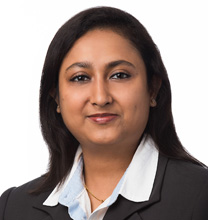
Arunima Datta, Esq.
Founder & Immigration Attorney at AKT Law, LLC. AILA member with 10+ years of experience helping families, professionals, and employers navigate U.S. immigration. Consultations available in English, Bengali, and Hindi.